

How to Acquire a Car Driving License: A Step-by-Step Guide
Getting a car driving license is a vital turning point for lots of individuals, using the liberty to explore, commute, and travel at your own speed. Whether you're a teenager excited to drive or an adult looking for more self-reliance, the procedure can seem frustrating. This post offers an extensive guide to help you navigate the steps to obtain your driving license efficiently and effectively.
Understanding the Basics
Before diving into the acquisition procedure, it's necessary to understand the types of licenses readily available and the general requirements. In a lot of areas, the process can be divided into 3 primary categories:
Learner's Permit: This is often the very first step, allowing brand-new drivers to practice driving under specific limitations.
Intermediate License: Depending on your area, this might follow the learner stage and permits more freedom but could have limitations, especially for younger drivers.
Full Driving License: This is the supreme goal, enabling you to drive without constraints.
General Requirements
While specific requirements vary by state or country, common prerequisites typically include:
Age: Must be of a minimum age (typically in between 16-18).
Vision: A standard eye exam might be required.
Paperwork: Proof of identity, residency, and sometimes conclusion of a driver's education course.
Step-by-Step Process to Acquire a Driving License
Action 1: Check Your Eligibility
Start by investigating your regional regulations concerning age, required files, and eligibility requirements. Visit your nation or state's automobile department site for the most accurate and current details.
Step 2: Obtain a Learner's Permit
Research study for the Written Test: Many jurisdictions need brand-new motorists to pass a written test covering the guidelines of the road, traffic signs, and safe driving practices. Invest in a driver's handbook and take practice tests available online.
Get ready for the Test: Make plans to take the composed exam, which might be offered online or at your local automobile workplace. Bring the required files, such as proof of identity, and payment for any costs.
Pass the Test: Upon passing the written test, you'll receive your learner's authorization. At this phase, you may need to comply with specific constraints, such as only driving with a certified grownup.
Step 3: Practice Driving
Behind-the-Wheel Experience: Use your student's license to get useful driving experience. Most areas require a minimum number of monitored driving hours, generally ranging from 20 to 50 hours. Practice a range of conditions, consisting of day and night driving, highway driving, and adverse weather.
Driver's Education Course: Although not necessary in every location, finishing a driver's education course can offer valuable educational knowledge and might be needed for more youthful prospects.
Step 4: Schedule Your Driving Test
After obtaining sufficient driving experience and meeting your area's requirements, schedule a driving test with your regional motor automobile authority.
Practice for the Driving Test: Familiarize yourself with the testing procedures and typical maneuvers required during the test, such as parallel parking, lane modifications, and complying with traffic signals.
Gather Required more helpful hints : Ensure you have your learner's license, proof of identity, and any extra documents needed for the test.
Step 5: Take the Driving Test
On the day of your driving test:
Get Here Early: Give yourself lots of time to unwind and collect your ideas before the test starts.
Bring a Suitable Vehicle: Ensure that the car you prepare to utilize remains in excellent condition, has valid registration and insurance, and meets all security requirements.
Stay Calm and Focused: Listen carefully to the examiner's directions and show safe driving practices throughout the test.
Step 6: Receive Your License
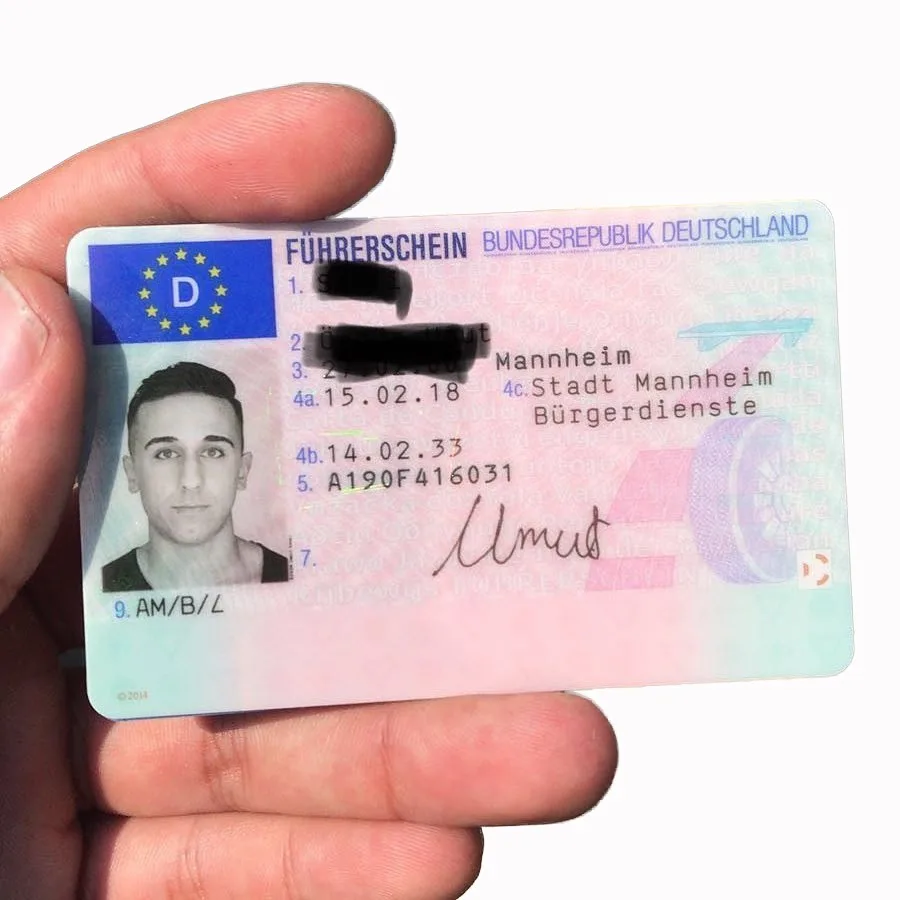
Upon passing the driving test, you'll get your full driving license or an intermediate license, depending upon your age and ability. Congratulations!
Step 7: Learn to Drive Responsibly
Having a driving license comes with obligations. Always abide by traffic laws, stay focused while driving, and respect other roadway users. Think about enrolling in protective driving courses to enhance safety awareness.
Conclusion
Obtaining a car driving license is a crucial action toward self-reliance and obligation. By following these steps and cultivating safe driving habits, you'll not only acquire your license however also end up being a proficient and conscientious driver. Remember, the journey to becoming a proficient driver continues even after acquiring your license. Always stay notified about roadway rules, practice frequently, and go for continuous enhancement on the roadway. Safe takes a trip!